El Niño roof preparation means finding and fixing weak spots while the roof is still dry. NOAA puts the odds of a very strong El Niño this winter above 90%. Book a free inspection now: we check shingles, flashing, gutters and seals, then tell you what needs work before the first storm.
We will call you back within 30 minutes during business hours.
NOAA's Climate Prediction Center has an El Niño Advisory in effect. Its September 2026 discussion puts the chance of a very strong event this fall and winter above 90%. It also gives a 75% chance that October through December becomes the strongest El Niño on record since 1950.
Strong El Niño winters tend to push more storms, including atmospheric rivers, into California. NOAA is careful to say the impacts are more likely, not guaranteed. We treat it the same way: not a reason to panic, but a good reason to check your roof while you still can.
A strong event is also hard on roofs because of what came before. Many Central Valley roofs have been through several dry, hot winters in a row. Sun bakes the oils out of asphalt shingles, sealant strips dry out, and small gaps open at flashing and vents. A roof that got by in a dry year can start leaking on the fourth hard storm, not the first.
Source: NOAA Climate Prediction Center, ENSO Diagnostic Discussion, September 10, 2026. NOAA updates it monthly; the next update is October 8, 2026.
Start from the ground with binoculars and inside with a flashlight. Stay off the roof: a fall costs far more than a leak. If you see any of these, book an inspection.
Edges that lift or crack let wind-driven rain get under the shingle and into the deck.
Heavy grit at the downspouts means shingles are wearing out and holding less water back.
Chimneys, skylights, pipe boots and valleys are where most Valley leaks actually start.
Backed-up gutters push water under the roof edge and into the fascia. See our gutter service.
A dry brown ring is a leak that stopped when the rain did. It will start again.
Age alone doesn't mean replacement, but it is the range where a check pays for itself.
Fix the small things first, because they cause most winter leaks. That means resealing flashing, replacing cracked pipe boots, securing lifted shingles, and clearing gutters and downspouts. These are usually quick roof repairs, not big projects.
Next, look at the roof as a whole. If the shingles are dry and brittle but still intact, restoring them now can carry the roof through the season. If the deck is soft or the shingles are failing across the roof, it's better to plan a replacement on your own schedule than in an emergency in January.
If water is already coming in, don't wait for an appointment: read what to do in the first hour of a roof leak and call us.
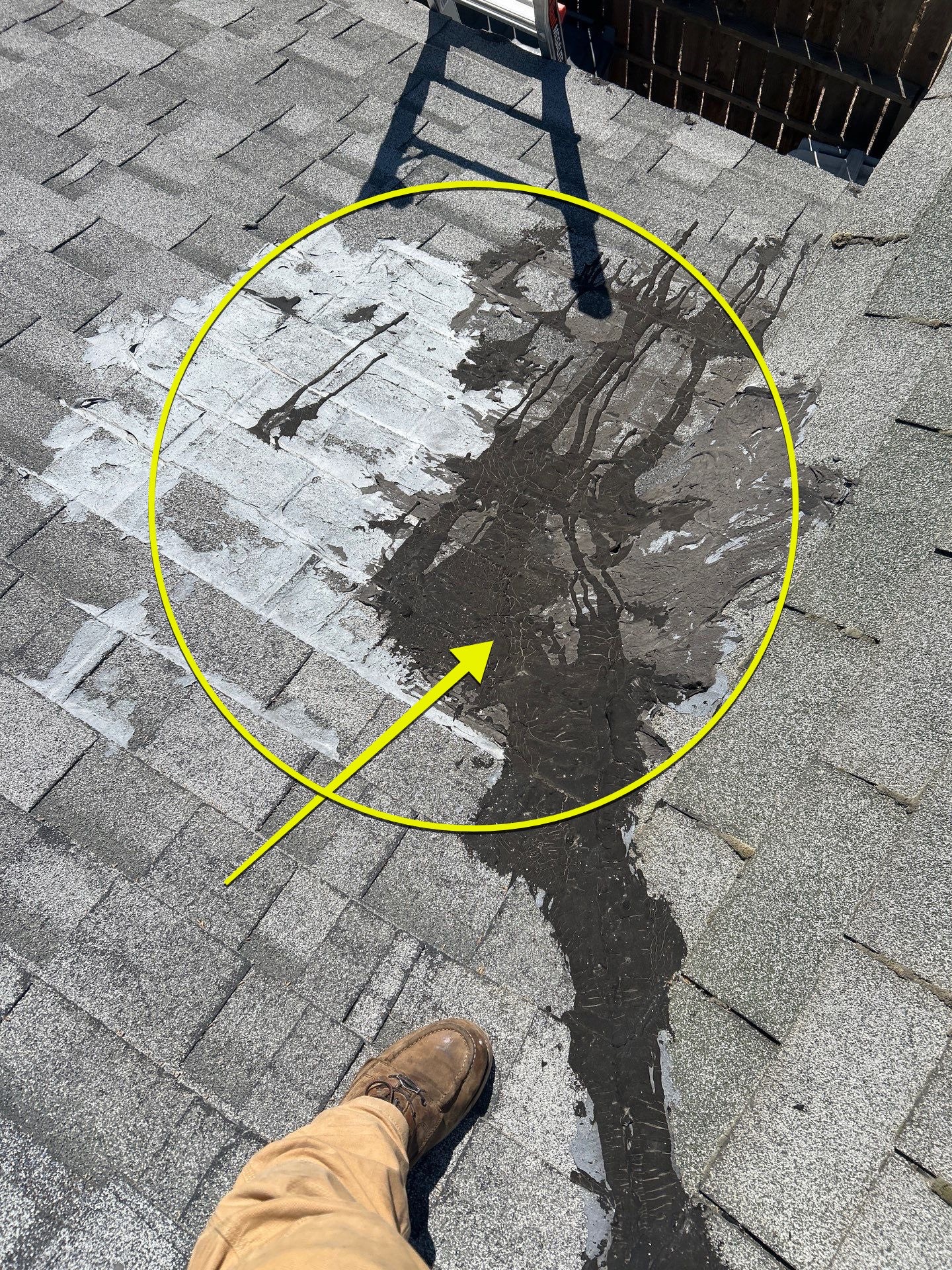
Because most of the work that prevents leaks needs a dry roof. Sealants and flashing repairs need a dry surface to bond. Roof Maxx restoration needs dry shingles and warm temperatures to soak in. Commercial silicone and fluid-applied coatings need a dry deck.
Once steady rain sets in, that work pauses until spring and the only option left is emergency response. Emergency work costs more and often means ceiling, drywall and insulation repairs on top of the roof.
Our working estimate is six to eight dry working weeks from late September. That is why we're booking storm-readiness inspections now, across Fresno, the Central Valley and the East Bay.
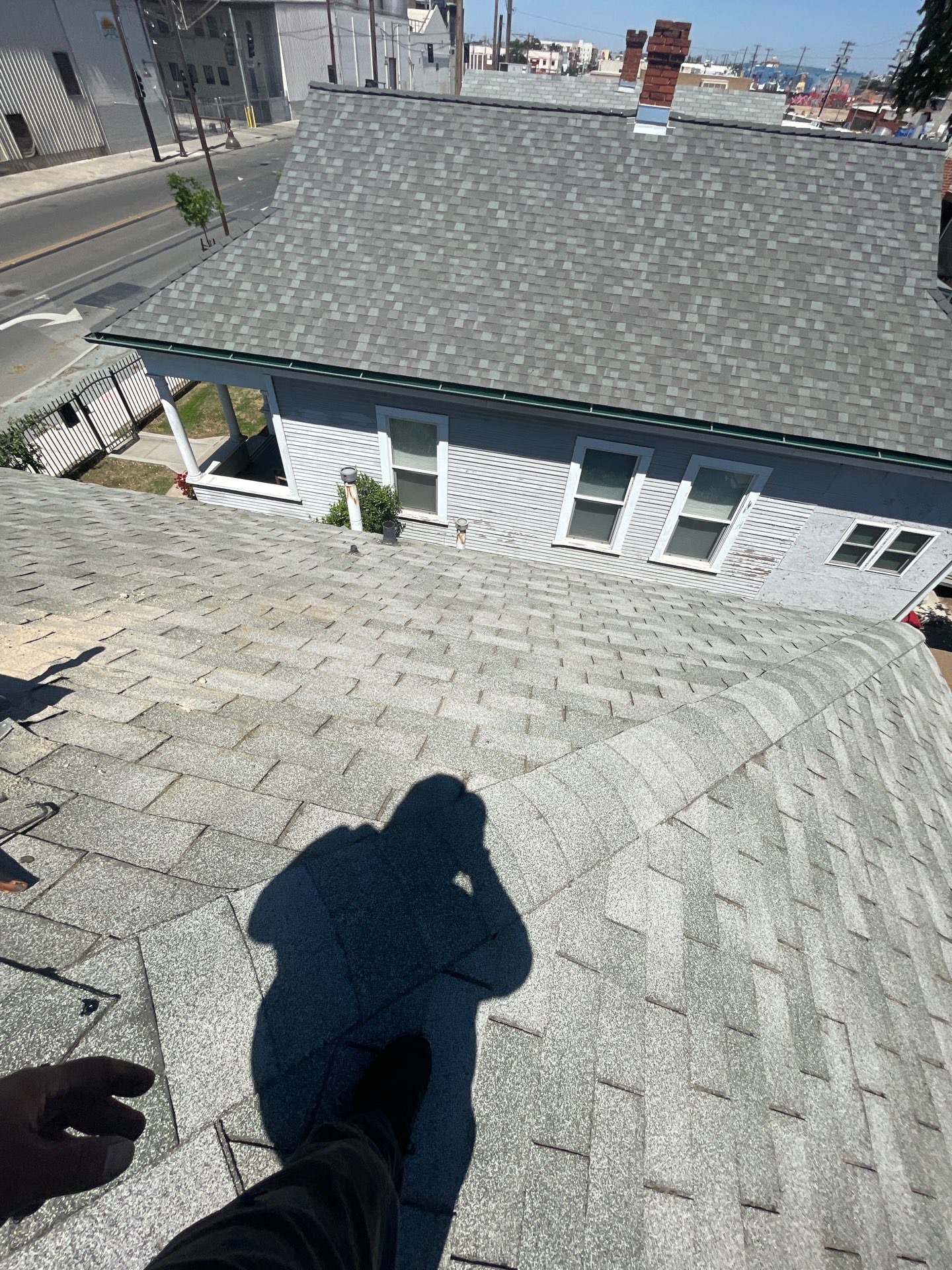
A licensed inspector checks the shingles, flashing, vents, valleys, gutters and attic signs. You get photos and a written summary of what we found. There's no pressure and no obligation. If the roof is fine, we tell you it's fine, and you have a dated record of its condition going into the winter.
Every inspection ends in one of three answers:
No work needed. You keep the photos and report, and we suggest a quick check after the first big storm.
Shingles are brittle but intact. A 5-Star Certified Roof Maxx treatment, done before the rain, restores flexibility at a fraction of the cost of replacement.
We quote the repair or replacement and schedule it ahead of the storms, while dry-weather slots are still open.
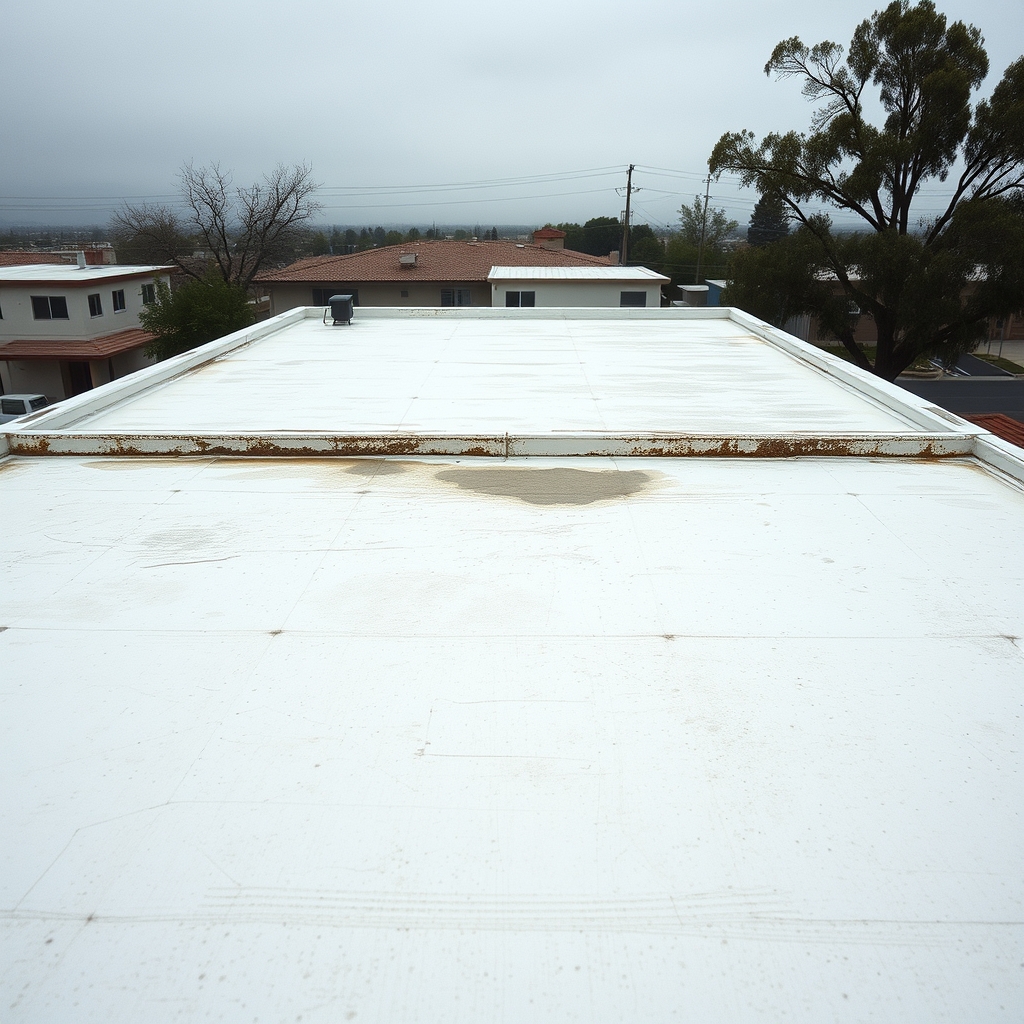
Flat roofs have had the same easy winters. Seams open, drains clog, and soft spots hold water without anyone seeing it from the ground. The first sign is often water running down a wall in a tenant space.
We inspect commercial flat roofs and give you photos and a priority list for warehouses, packing houses, retail centers, apartment complexes and HOAs. Coating and seam repairs need a dry deck, so the window is the same as for homes. Learn more about our commercial roofing and HOA and property management work.
It is free. A licensed inspector checks the roof, gutters and flashing, and you get photos and a written summary of anything worth fixing before the rain. There is no obligation to book any work.
No one can name the date of the first storm this far out. NOAA's outlook covers the whole fall and winter season. Our working estimate is six to eight dry working weeks from late September, so we recommend booking an inspection in October.
It depends on your policy and on the cause. Many policies treat sudden storm damage differently from wear, age or lack of maintenance. Read your policy or ask your agent. What we can do is document the roof's condition with dated photos and a written report, so you have a record if you need to file.
No. Roof Maxx needs a dry roof and warm temperatures to soak into the shingles. Once steady rain starts, treatments pause until spring, so a roof that qualifies should be treated before the El Niño storms arrive.
No. Most roofs we inspect need nothing, a small repair, or a restoration treatment. We recommend replacement only when the roof is past saving, and we show you the photos that back up the recommendation.
Local, licensed and here year-round, from Fresno to the Bay Area. Book your free storm-readiness inspection before the El Niño storms arrive.
(559) 550-6398